Trends in the age of cigarette smoking initiation among young adults in the US from 2002 to 2018
The small terminal at the center bottom of the socket is + and that goes to wherever you're taking power from
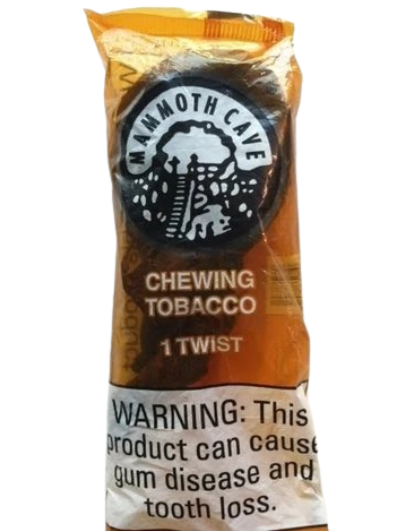
Figure 11.2: Very Brief Advice pathway Figure 11.2 shows that dental teams should: ask all patients about tobacco use, as part of medical history and recheck and record this at every visit, with questions such as: Do you smoke? Do you use tobacco products, for example snuff, paan, chewing tobacco, or shisha? Have you ever smoked or used tobacco in the past? When did you stop? examine all patients (oral cancer screening, basic periodontal examination, monitor or refer lesions) and record signs of tobacco use, including: staining halitosis mucosal changes advise those at risk on method of quitting, without asking patients if they want to quit (which can lead to defensiveness) and avoiding detailed questions: Research shows the best way to stop is with a combination of specialist support and medication
Snuff Search terms for health outcomes: Health outcome
That requires more planningwearing warm clothing in winter for its duration, keeping gloves which permit less intense use, locating appropriate receptacles for ash and butts in cold weather are all about smoking correctly in a Canadian environment